
The Benefits of Brand Licensing
Brand licensing puts you in front of audiences that already exist
The global licensing industry is worth $369.6B because licensed IP does something most marketing can't: it puts your product in front of people who already want it.
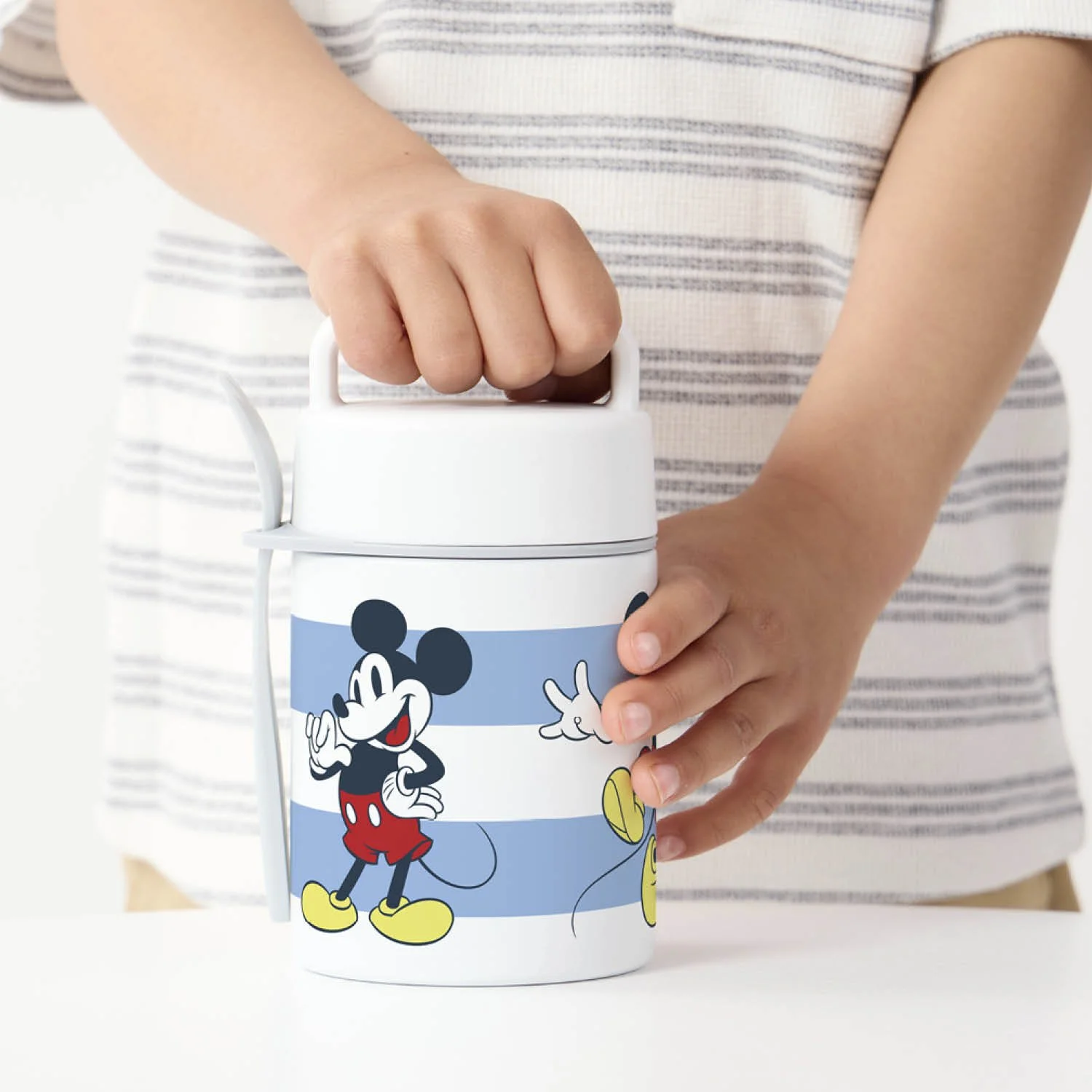
© Disney
Tap into an audience you don't have to build
As digital marketplaces get more crowded and paid media costs keep rising, launching a product without built-in demand is an increasingly expensive gamble. Licensed IP gives your product a relationship with consumers that already exists. You're not building awareness, you're inheriting it.
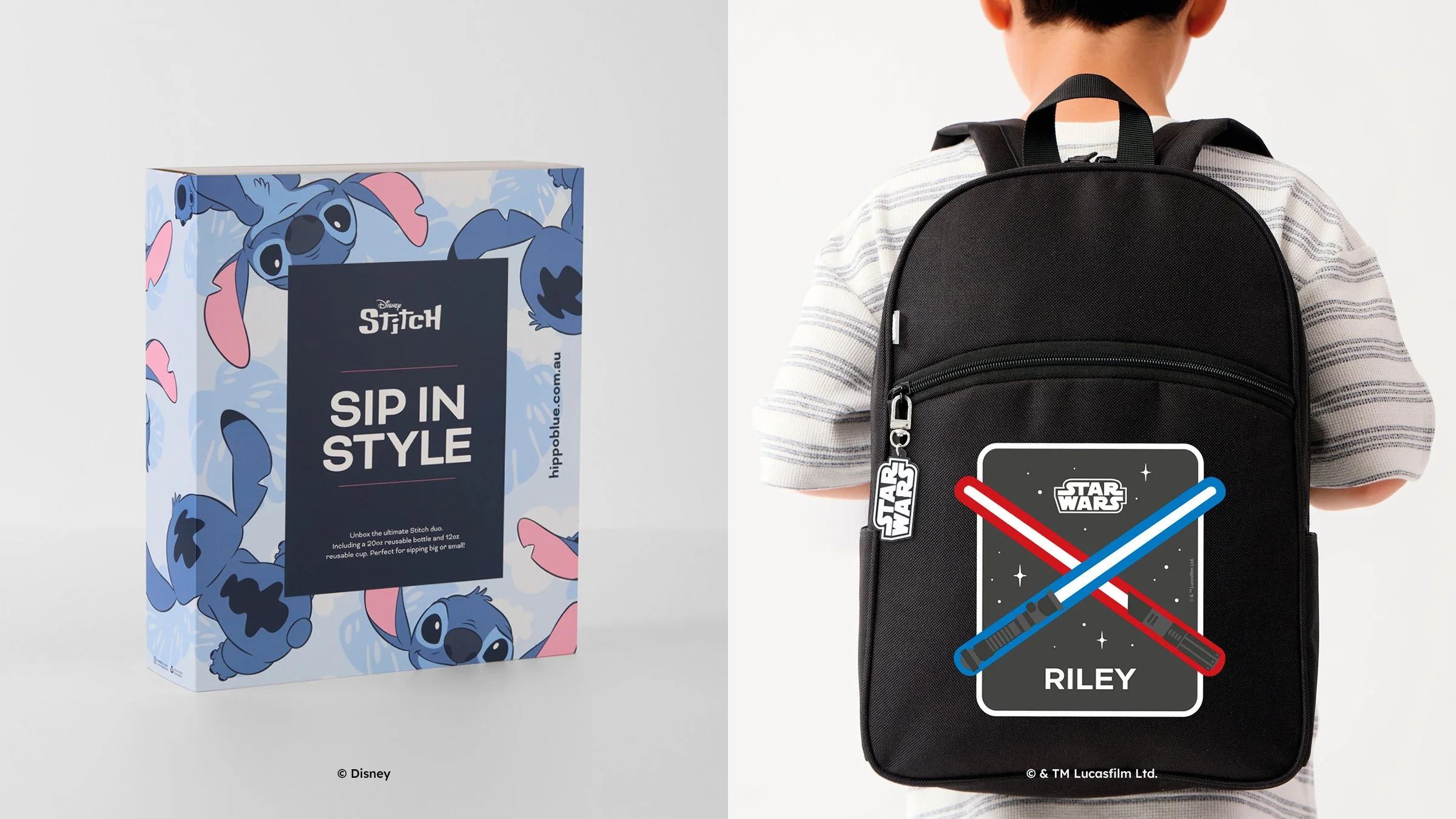
A seasonal business that couldn't break the cycle. After partnering with Disney, Hippo Blue unlocked year-round revenue and delivered 30% business growth in a single year. Licensing as infrastructure, not a one-off moment.
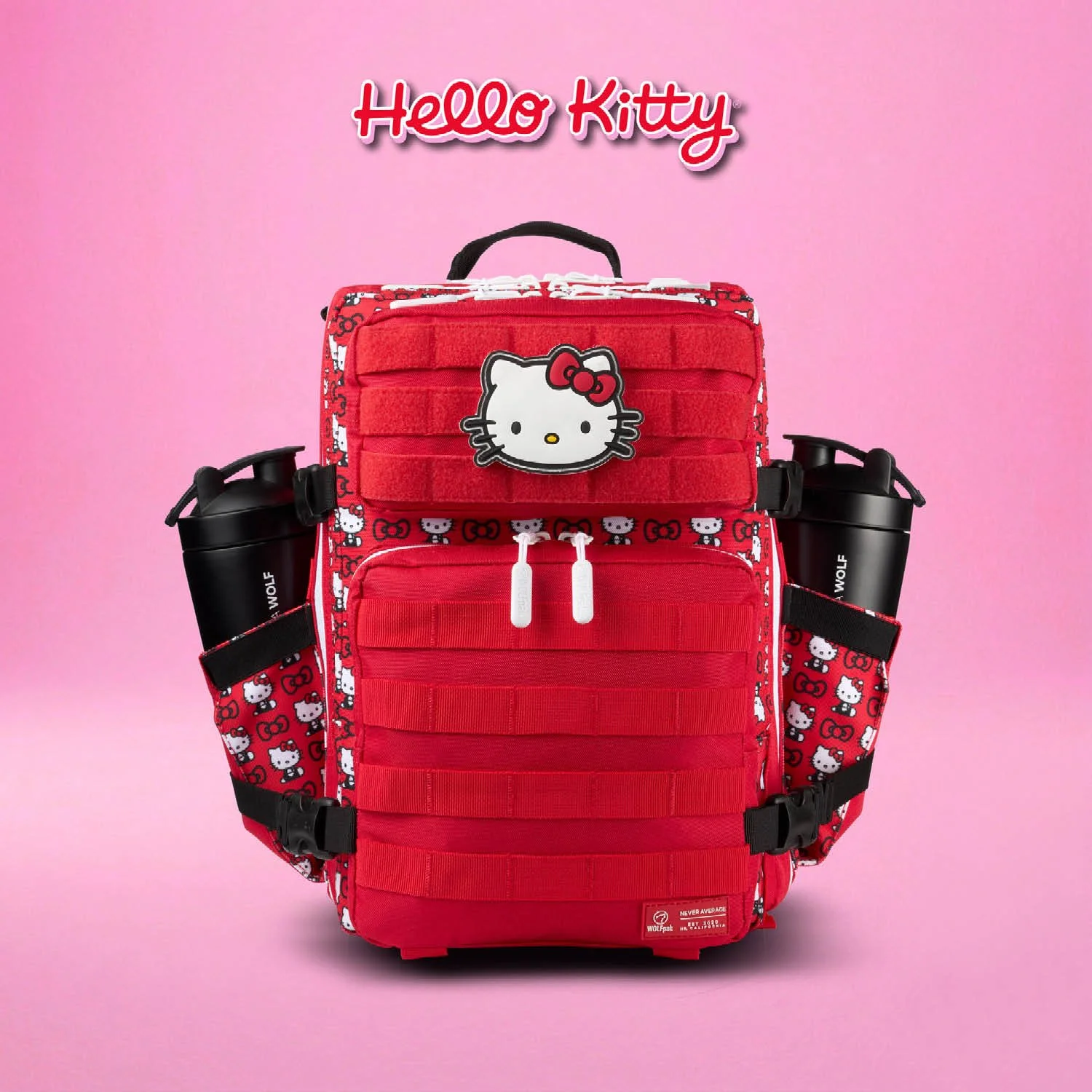
© 2026 SANRIO CO., LTD.
Sell more, at a higher price, faster
Licensed products consistently outperform their unlicensed equivalents. Consumers pay more for products associated with IP they trust, and buyers and retailers back ranges with recognised properties more confidently. That combination supports premium pricing, reduces time to sell-through, and improves the return on your product investment.
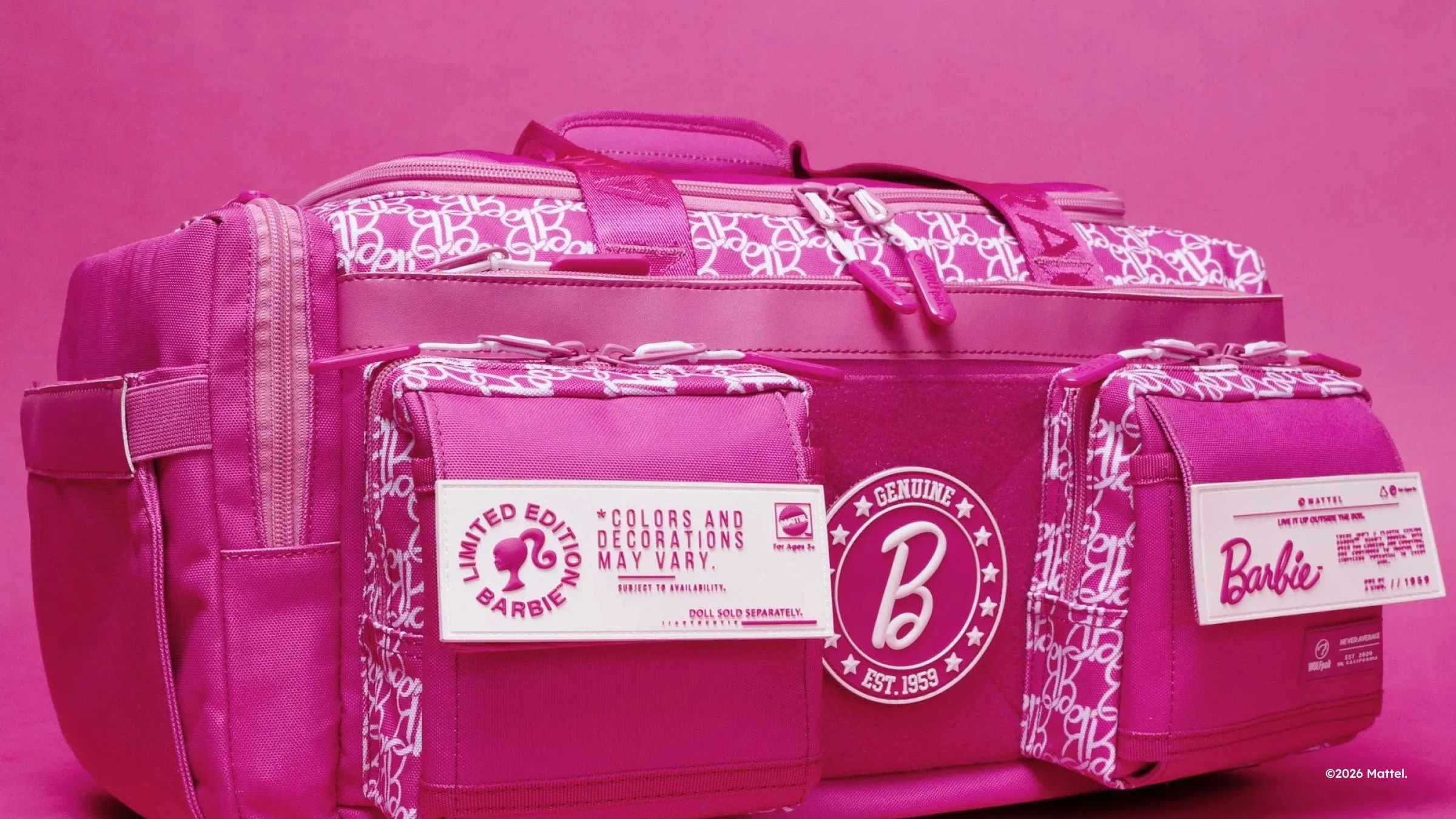
WOLFpak's Hello Kitty collection proved what licensed IP can do for product velocity. The collection was gone within 72 hours, driven by the built-in demand that comes with IP consumers already love.

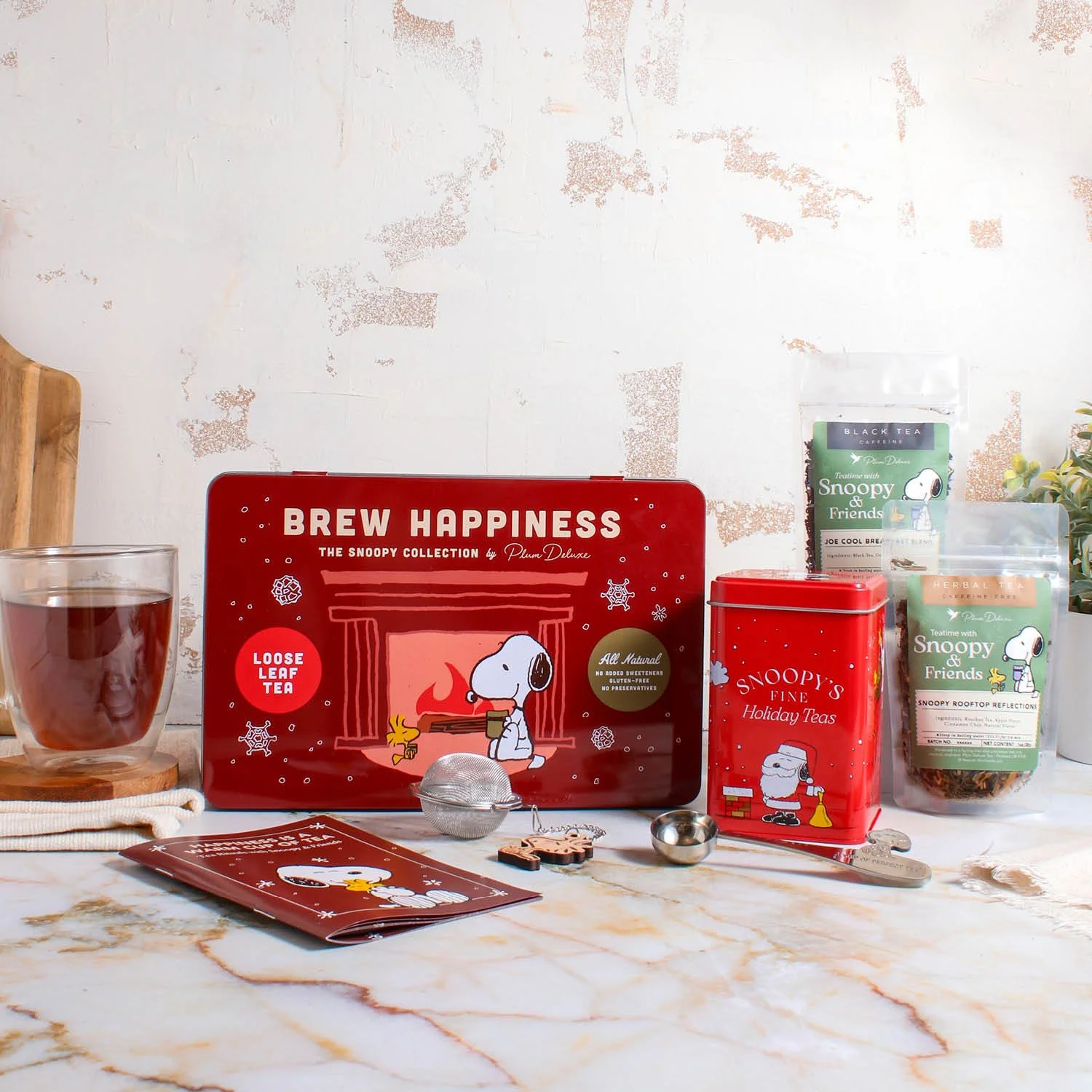
© KH/S, MP
Expand into new markets with less risk
Entering a new category or market is always a commercial gamble. But when one part of the equation is already proven — the IP, the audience, the emotional pull — the unknowns shrink. That changes the calculus for any business looking to grow, and makes brand licensing one of the most practical ways to test new territory with confidence.
Fira x Wear partnered with Crunchyroll to bring My Hero Academia into fashion, launching the first of three capsule collections timed to the show’s final season. A strong example of licensing used to deepen fan connection and expand a fast-growing brand.
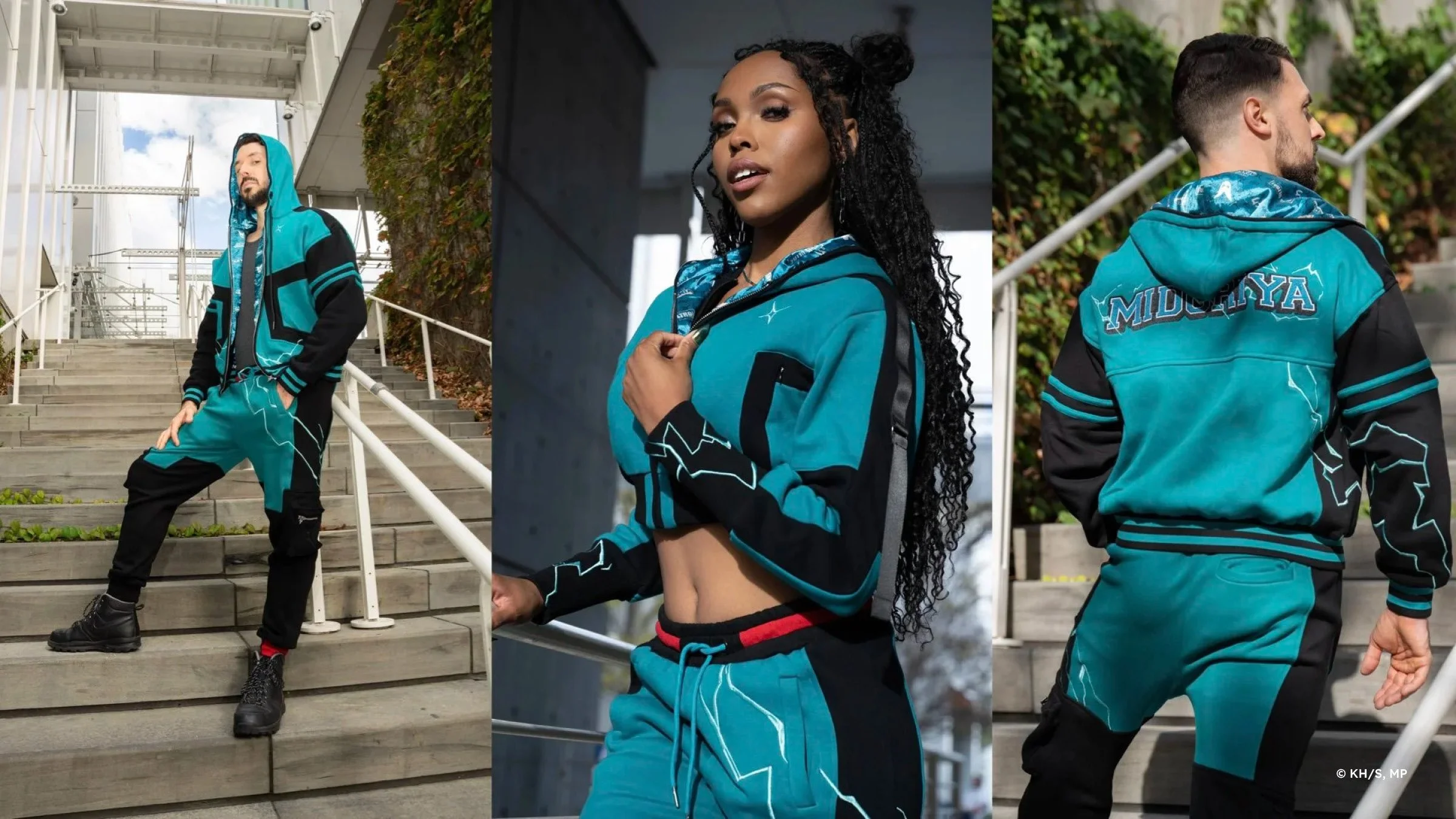
©PNTS
Open doors with retailers and buyers
A well-chosen brand license changes the nature of commercial conversations. It signals credibility, proven consumer demand, and seriousness as a partner. For businesses that struggle to get in front of certain buyers, the right license can be the reason a door opens. For those already in those relationships, it makes the case for better terms, more space, and longer-term commitment.
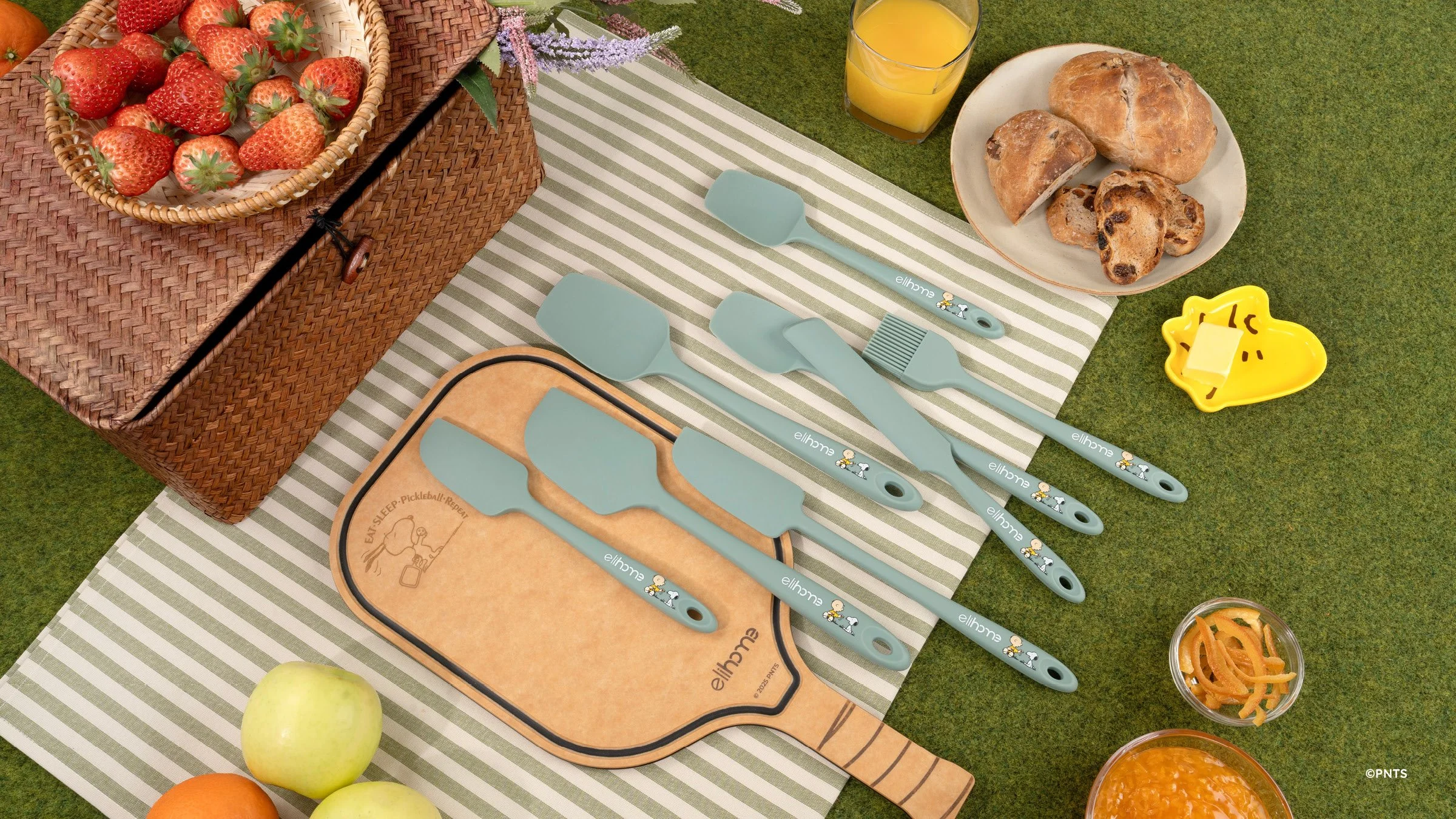
Plum Deluxe’s Peanuts launch became more than a first license. It opened the brand up to new customers and created the foundation for a consistent pipeline of licensed products through strategic management and long-term planning.
What types of IP can you license?
Brand licensing spans a wide range of IP types, each with its own commercial profile, rights structure, and audience. Knowing the differences matters when figuring out which type is the right fit for your business and your market.

Entertainment and Character IP
The largest category in the global licensing industry, accounting for $149.8B and 40.5% of all licensed merchandise. Covers film franchises, animated characters, TV properties, and streaming originals. Offers broad demographic reach and strong cultural visibility across multiple channels at once.

Sports IP
Covers team identities, league marks, athlete names and likenesses, and event properties. Particularly powerful in categories where fan identity drives purchase. Apparel, accessories, collectables, and homewares are the most significant.

Corporate and brand IP
Includes trademarks and brand identities from outside entertainment, including automotive brands, food and beverage properties, heritage manufacturers, and corporate names with strong consumer recognition. Especially effective for reaching adult consumers and collector markets.

Fashion IP
Encompasses designer names, fashion house archives, and lifestyle brands with strong aesthetic identities. Typically commands premium positioning and works well across accessories, homewares, and gifting.

Publishing IP
Includes book characters, authors, and illustrated properties. Particularly strong in children's products, gifting, and stationery.

Collegiate IP
Covers university and college marks, team identities, and campus brands. A major category in the US with strong relevance in apparel, accessories, and gifting — and growing international appeal.

Celebrity IP
Covers names, likenesses, and personal brands of public figures. Effective in categories where aspiration and personal identity drive purchase, particularly in fashion, beauty, and lifestyle.

Music and art IP
Covers artist names, song titles, album artwork, and visual art. This category has grown significantly as cultural and nostalgia-driven purchasing has increased, particularly in apparel, accessories, and home décor.
Non-profit IP
Includes charitable organisations, cause-related marks, and awareness campaign properties. Useful for businesses seeking to align with social causes in ways that resonate authentically with their audience.
Which products and services work best?
Brand licensing works across a wide range of categories. If your business operates in any of these areas, there's likely a licensing opportunity worth exploring.
Fashion apparel, accessories and footwear
Toys and games
Software, video games and apps
Home décor and housewares
Food and beverages
Sporting goods
Health and beauty products
Gifts · Publishing
Paper products and stationery
Lawn and garden products, tools and hardware
Themed attractions
Children's and baby products
Automotive products
Gambling
Pet products
Craft supplies and kits
Consumer electronics
Frequently asked questions
-
Yes, though fit matters. Major rights holders are selective, and businesses of all sizes need to make a strong commercial case. The key factors are category suitability, quality standards, route to market, and financial readiness, not size alone.
-
Recognised licensed IP reduces perceived risk and gives buyers a clearer basis for confidence. For newer businesses, the right license can open conversations that would otherwise be hard to start. For established ones, it strengthens the case for better terms, more space, and longer-term commitment.
-
A single licence delivers the benefits outline on this page for that product and that audience. A licensing strategy makes IP partnerships a consistent commercial tool for audience acquisition, category expansion, and brand credibility over time. Born to License works with businesses on both.
-
The right IP is the one whose audience overlaps with yours, whose values complement your brand, and whose rights structure fits your category and market. That requires knowing the licensing landscape and what each property's commercial programme looks like right now.
Let's talk about your product
Tell us about your product, your target audience and your goals. We will give you an honest assessment of the opportunity and explain how we can help you move forward. We respond to all enquiries within 48 hours.